Rodent & Wildlife Removal in Marysville, WA
Request an estimate from a local provider
Noises in the attic at night. Droppings in a cabinet. A chewed hole near the crawl space vent. These are signs that something has moved in, and it will not leave on its own. In the Marysville area, long wet seasons push mice, rats and wildlife to seek dry, warm spots in wood-frame homes.
Toiletoldest Pest Control is a referral service. We do not trap or remove animals. We explain what is going on, show what is safe to try yourself, and connect you with independent providers in our network who handle rodents and wildlife. You can request an estimate, compare options, and decide with a written quote in hand.
Animals in the Attic or Walls? Start Here
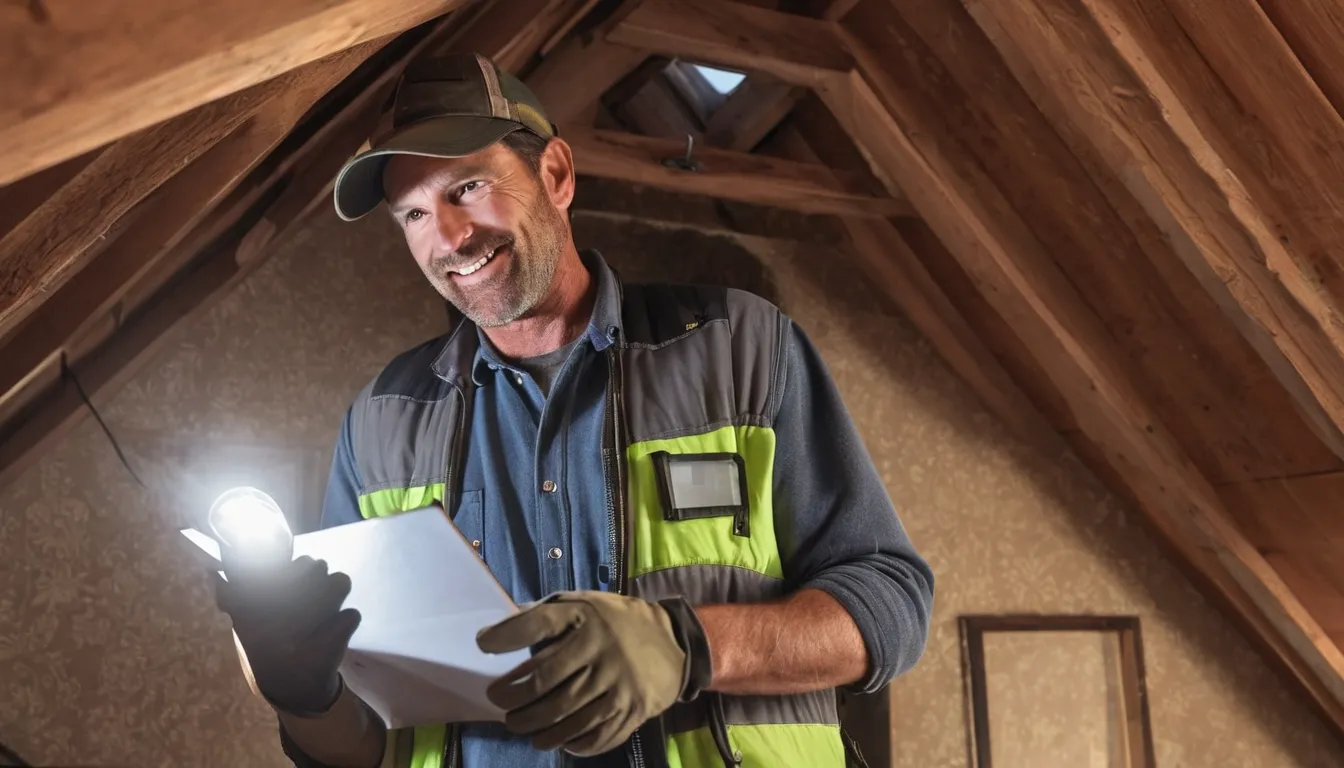
Grab a flashlight and a notepad. Write down what you hear, when you hear it, and where. Note any droppings, greasy smears, or chewed spots. That list helps a provider a lot.
Then read the timeline below. It shows why waiting costs more than it seems.
Your Damage Timeline
The First Night
A mouse can slip through a gap about the size of a dime. Once inside, it picks a nesting spot, often in insulation or a wall void. It starts leaving droppings and urine right away.
Days Two to Seven
Rodents chew to keep their teeth worn down. Wood, plastic pipe and wiring all look the same to them. Nesting begins, and food in pantries gets contaminated.
Weeks Two to Four
A small group can grow into a large one. Mice can have a new litter about every three weeks. Insulation gets matted down and soiled, and smells show up.
Month Two and Beyond
Chewed wires are a fire risk. Damp, soiled insulation loses its value. Larger animals like raccoons can tear soffits and vents. Repairs now cost far more than early action would have.
Signs to Check Tonight
Use your flashlight and look for:
- Scratching or thumping in ceilings and walls, often at dusk or after dark
- Droppings that look like dark grains of rice (mice) or larger capsules (rats)
- Greasy rub marks along baseboards and pipes
- Shredded paper, fabric or insulation nests
- Gnaw marks on wood, wires or food packaging
- Torn vent screens or bent soffit edges outside
- A musty, sharp smell in one room
A dead-animal smell can mean one has died inside a wall. A provider can help find it.
Stop and Call: Do Not Handle These Yourself
Some jobs are not DIY. Stop and call a provider if you see any of these:
- Raccoons, skunks or bats in the house
- Babies or a nest in the attic
- Droppings in large piles
- Chewed wiring
- An animal that seems sick or aggressive
Wear gloves and a mask if you must clean up a small amount of droppings. Never sweep or vacuum dry droppings. Dust can carry germs.
What You Can Safely Do Yourself
Small steps help while you wait for a provider:
- Store food in sealed hard containers
- Pick up pet food at night
- Trim branches that touch the roof
- Keep firewood away from the walls
- Fix dripping outdoor taps and clear damp debris
Skip poison baits. A poisoned animal can die inside a wall and cause a worse smell. Baits can also harm pets and other wildlife.
Common Animals Providers Handle
Providers in our network often deal with house mice, roof rats, Norway rats, squirrels, raccoons, opossums and bats. Each one behaves differently, so the plan changes too.
- Mice and rats: trapping plus sealing entry points
- Squirrels: one-way doors and roofline repairs
- Raccoons: careful removal, especially if young are present
- Bats: often have special rules and seasons
How Removal Usually Works
Inspection
The provider walks the roof, the attic, the crawl space and the yard. They look for the entry points and the animal's path.
Removal Plan
They pick a method that fits the animal. That can be traps, exclusion doors or other tools. You should get the plan in writing.
Sealing and Cleanup
Holes get closed with metal mesh or flashing. Droppings and soiled insulation may be cleaned up or replaced.
Follow-Up
Many providers return to check that the work held. Ask about it before you agree.
Humane Handling and Local Rules
Rules for wildlife vary by state and city. Some animals are protected, and some seasons limit when removal can happen. Baby animals need extra care. A provider should know the local rules. Ask how they handle live animals and what they do with them.
Wet Weather and Wood-Frame Homes
Steady rain and damp send animals indoors. Crawl spaces, old craftsman eaves and townhome roof edges all offer gaps. Windstorms can loosen vents and flashing. Check your roofline after a storm.
Choosing a Removal Provider
Before you hire, ask:
- Do you inspect before you quote?
- Is the quote in writing?
- Does it include sealing the entry points?
- How do you handle babies and protected animals?
- What follow-up is offered?
Check license and insurance status directly with the provider. Compare more than one estimate when you can.
Keeping Animals Out Next Time
Walk your home each fall, before the wet season peaks. Look for gaps wider than a quarter inch. Seal small ones with steel wool and caulk. Leave larger holes for a provider to cover with metal. Keep gutters clear and vents screened.
Check, then act. Early fixes are small fixes.
What's Included
Inspection of Entry Points
A provider checks the roofline, vents, attic and crawl space to find how animals are getting in.
Removal Methods
Traps or one-way doors are chosen to fit the animal and local rules.
Sealing Gaps
Holes are closed with metal mesh or flashing so animals cannot return.
Cleanup Options
Many providers can clear droppings and replace soiled insulation, depending on the job.
Typical Rodent and Wildlife Removal Costs
Prices depend on the animal, how many there are, and how hard the space is to reach. These are typical U.S. ranges. Always ask for a written quote before work starts.
| Item | Typical range | Notes |
|---|---|---|
| Inspection visit | $75 – $300 | Sometimes applied to the job |
| Mouse trapping program | $150 – $600 | Often includes follow-up visits |
| Rat removal and trapping | $300 – $1,000 | Depends on how large the problem is |
| Squirrel or raccoon removal | $250 – $1,000 | Higher if babies are present |
| Sealing entry points | $200 – $1,500 | Depends on number and height of gaps |
| Droppings cleanup | $300 – $2,500 | Varies by area affected |
How It Works
Check and note
Walk the house with a flashlight and notepad. Write down sounds, droppings, chew marks and any gaps outside.
Request an estimate
Send the request form with your notes. A local provider from our network follows up with you.
Compare the plan
Ask for a written quote that covers removal, sealing and cleanup, so you can compare.
Approve and watch for results
Once the work is done, listen for noise and check for fresh droppings over the next weeks.
Why Call Toiletoldest Pest Control
Timing changes the cost
Small problems cost less. Nests, chewed wires and soiled insulation add up fast as time passes.
Local providers
Independent providers in our network know the local climate, housing styles and animal habits.
Clear plans
You can request an estimate and compare written plans before you agree to any work.
Safe approach
We point out what is safe to try yourself and when to stop and call.
Other Services
Need rodent & wildlife removal in Marysville?
Tell us what you found and where. Send an estimate request and a provider in our network can follow up. Prefer talking? Request a callback to check availability.
No obligationRodent & Wildlife Removal FAQ
- How do I know if I have mice or rats in the walls?
- Listen for scratching at night and look for droppings, grease marks and chewed items. Mouse droppings are small like rice. Rat droppings are larger. A provider can confirm which animal it is and where it enters.
- Can I remove wildlife from my attic myself?
- Small mouse problems may be handled with traps and sealing. Raccoons, squirrels, bats and any animal with babies are different. They can bite, carry disease and may be protected by law. Stop and call a provider.
- How much does wildlife removal cost?
- Typical U.S. costs run from about $150 for simple mouse work to $1,000 or more for larger animals, plus repairs and cleanup. Prices vary by job, so request an estimate and get the quote in writing.
Reach a local provider
Tell us what you found and where. Send an estimate request and a provider in our network can follow up. Prefer talking? Request a callback to check availability.
No obligation