Pest Control for Marysville Homes
Request an estimate from a local provider
Seeing ants in the kitchen, spiders in the garage, or a roach by the sink? The clock has already started. Pests breed, hide and spread through wall gaps, crawl spaces and damp corners long before you see a crowd. Checking early gives you more choices and often a smaller job.
Toiletoldest Pest Control is a referral service for homeowners in the Marysville area. We do not treat homes ourselves. We explain how a pest problem usually unfolds, what is safe to try on your own, and when to stop and call a pro. When you are ready, we connect you with an independent provider in our network who can inspect, treat and explain the plan in plain words.
Seeing pests? Check, then act
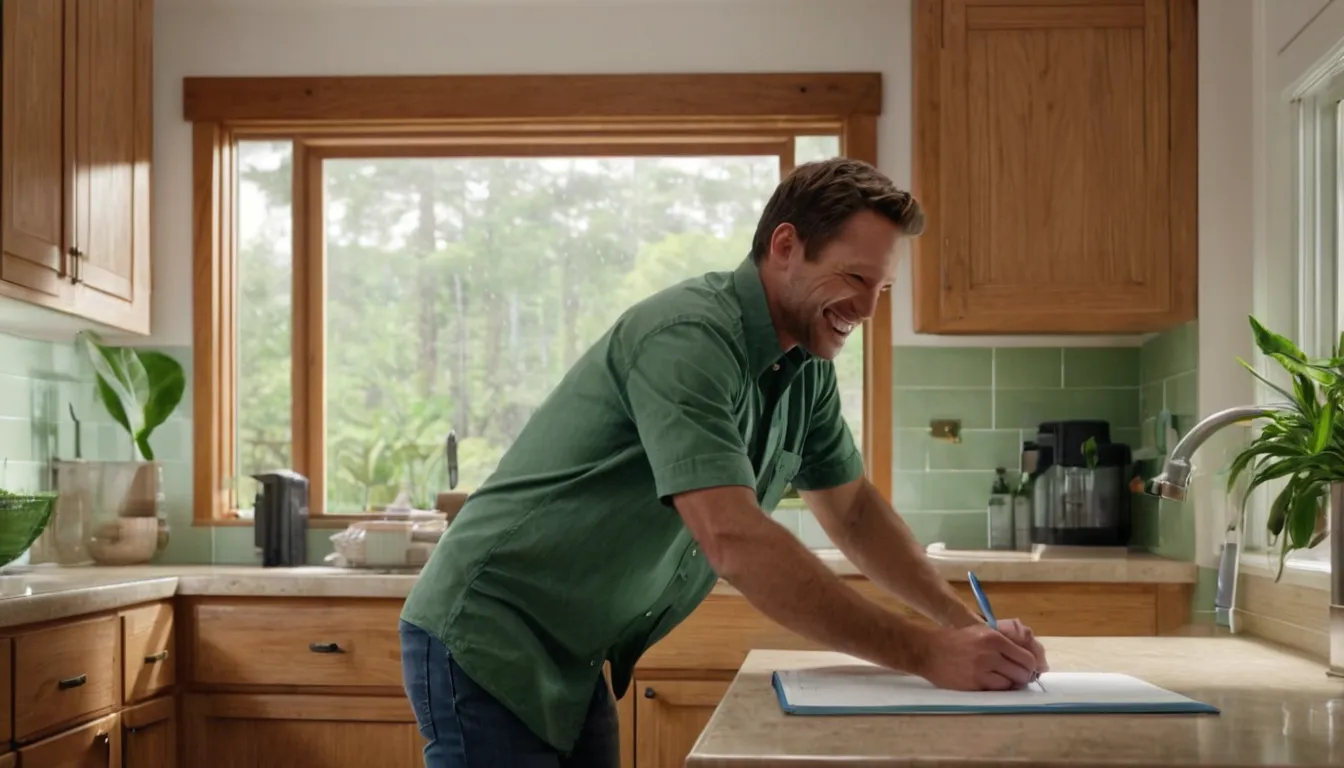
Grab a flashlight and a notepad. Go to the spot where you saw the bug. Write down what it looked like, how many you saw, and the time of day. That note will save a provider real time later.
Now ask one thing: is this a stray visitor or a trail? One ant on the counter is a scout. A steady line is a nest nearby. One roach at night often means more are hiding close.
The first hours: scouts and signals
In the first hours, you usually see only the edge of the problem. Ant scouts find a crumb and carry the news back. Roaches come out in the dark when the kitchen is quiet. Spiders settle in corners where the bugs they eat gather.
This is the right moment to look, not to panic. Check under the sink, behind the fridge and along the garage door. Seal food. Wipe up crumbs and sticky spots.
Days two to seven: numbers start to climb
By the end of the first week, a small group can turn into a visible one. Ant trails get thicker. Roach egg cases can show up in dark cabinet corners. Crickets may start chirping from a crawl space or basement.
If you still see activity after a week of cleanup, DIY alone is not enough. That is your sign to ask for help.
Weeks two to four: pests settle in
Around this point, pests stop visiting and start living with you. They find water, food and warm hiding spots. They leave droppings, shed skins and stains. Some chew packaging or fabric.
A long wet season makes this worse. Steady rain pushes insects toward dry, warm homes. Damp crawl spaces, moss against siding and leaky pipes all invite them in.
After a month: a settled infestation
Once a colony is settled, it takes more than a spray can. Hidden nests inside walls or under floors keep producing new pests. Bed bugs and roaches can spread room to room. Treatment gets longer and often costs more.
That is why timing changes the outcome. A quick inspection in week one is usually a smaller job than a full treatment in month two.
What you can safely try yourself
Some steps are low risk and worth doing today:
- Wipe counters, stovetops and floors.
- Store food in sealed containers.
- Fix drips under sinks and around tubs.
- Take out trash often and rinse recycling.
- Seal small gaps around pipes with caulk.
- Trim shrubs and moss back from siding.
Use store-bought baits and traps exactly as the label says. Keep them away from kids and pets.
Where to stop and call a pro
Stop and call when you see activity after a week of cleanup, pests in several rooms, or signs of bed bugs such as small dark spots on sheets. Also stop if you are unsure what the pest even is. Wrong products can scatter a colony instead of ending it.
What residential pest control covers
Residential pest control means a provider looks at your home, finds the pest, finds why it came in, and treats the right spots. A visit often includes an inspection, a plan, a treatment, and advice on what to change. Some providers also treat the outside edge of the house to keep pests from coming back.
Common pests providers treat
Providers in our network commonly handle ants, spiders, roaches, crickets, flies, wasps and bed bug treatment. Some also handle mice and rats. Each pest needs a different method, which is why a quick ID matters. Termites and wildlife removal are bigger topics with their own pages.
Questions about product safety
It is smart to ask. Before any treatment, ask the provider what product they plan to use, where it goes, and how long to keep kids and pets away from treated areas. Ask for the product label. Tell them about pregnant family members, pets, fish tanks and anyone with asthma. A good provider answers plainly.
One-time treatment or ongoing plan?
A single visit can be enough for a small, fresh problem like a short ant trail. An ongoing plan fits homes that see repeat visitors, such as older wood-frame houses with crawl spaces or homes near wet, wooded areas. Ask which one fits and why.
Not sure how to start? Request a callback to check provider availability.
Choosing a pest control provider
Searching for an exterminator near me turns up many names. Narrow it down. Ask whether the provider is licensed in your state. Ask for a written quote. Ask what is included, how many follow-up visits you get, and what happens if the pests return. Be cautious of anyone who will not name the product or push a long contract without an inspection.
Helping the treatment work
Your part matters. Clear the areas to be treated. Move food, pet bowls and clutter as the provider asks. Keep up the cleanup. Do not spray store-bought products on top of a treated spot unless told it is fine. Write down new sightings and share them at the follow-up visit.
What's Included
Home Inspection
A provider checks kitchens, baths, garages and crawl spaces to find the pest, its entry points and where it hides.
Targeted Treatment
Products go where pests travel and nest, not everywhere, using methods matched to the pest.
Exterior Barrier
Many providers treat the outer edge of the house to keep pests from walking back inside.
Follow-Up Advice
Expect clear tips on sealing gaps, fixing moisture and storing food so problems stay away.
Typical Pest Control Costs
Prices depend on the pest, the size of your home and how long the problem has been growing. These are typical U.S. ranges only. Always ask for a written quote before work starts.
| Service | Typical range | Notes |
|---|---|---|
| Inspection only | $75 – $200 | Often credited if you book treatment |
| One-time general treatment | $100 – $400 | Ants, spiders, crickets, small roach jobs |
| Quarterly plan, per visit | $75 – $200 | Regular visits, indoor and outdoor |
| Cockroach treatment | $150 – $600 | Heavy cases may need follow-ups |
| Bed bug treatment | $1,000 – $3,500 | Varies by rooms and method |
| Exterior perimeter treatment | $100 – $300 | Helps in wet seasons and older homes |
How It Works
Check And Note
Use a flashlight, note what you saw, where and when, and take a photo if you can.
Request An Estimate
Send the request form with your notes so a provider can understand the problem.
Get Inspected
A local provider looks at your home, names the pest and explains the plan.
Treat And Follow Up
Prepare the home, let the provider treat, then report any new sightings.
Why Call Toiletoldest Pest Control
Smaller Jobs
Catching a problem in the first week is usually simpler and cheaper than treating a settled colony later.
Less Damage
Pests stain, chew and contaminate food. Early action keeps that mess limited.
Fewer Visits
Early treatment often means fewer follow-up visits and less disruption at home.
Peace Of Mind
Knowing what the pest is and what to do helps you sleep easier.
Other Services
Need pest control in Marysville?
Tell us what you found and where. Send an estimate request and a provider in our network can follow up. Prefer talking? Request a callback to check availability.
No obligationPest Control FAQ
- How fast do pests spread in a house?
- It depends on the pest. Ants and roaches can spread through several rooms in a few weeks once they find food and water. Early cleanup and a prompt inspection help slow them down.
- Can I get rid of pests myself?
- Small, fresh problems often respond to cleanup, sealing gaps and label-directed baits. If you still see pests after a week, or you find them in several rooms, it is time to ask a provider.
- Is pest treatment safe for kids and pets?
- Safety depends on the product and how it is used. Ask the provider what they will apply, where it goes, and how long to keep children and pets away. Read the label.
Reach a local provider
Tell us what you found and where. Send an estimate request and a provider in our network can follow up. Prefer talking? Request a callback to check availability.
No obligation